You have been traveling via wagon train for months. You have faced challenges beyond imagination including delivering a baby and caring for her. But finally, a fort appears on the horizon.
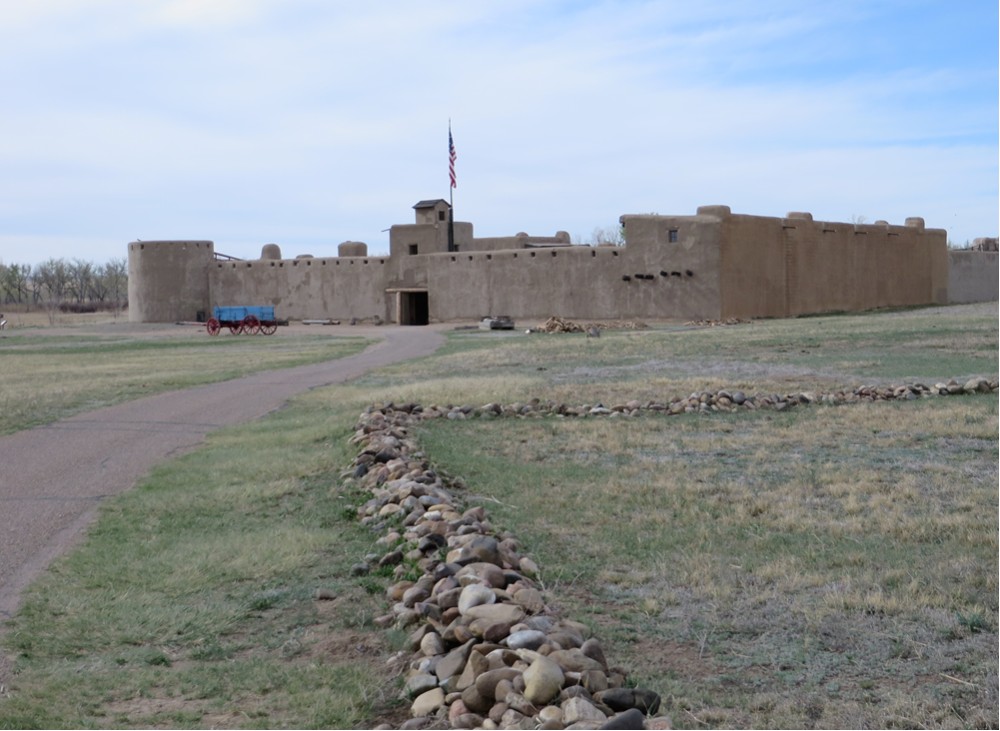
You know that here you will find a respite from the constant dust and the never-ending travel.
Come on in and enjoy yourself. You’ll find everything you need. Even a bed.
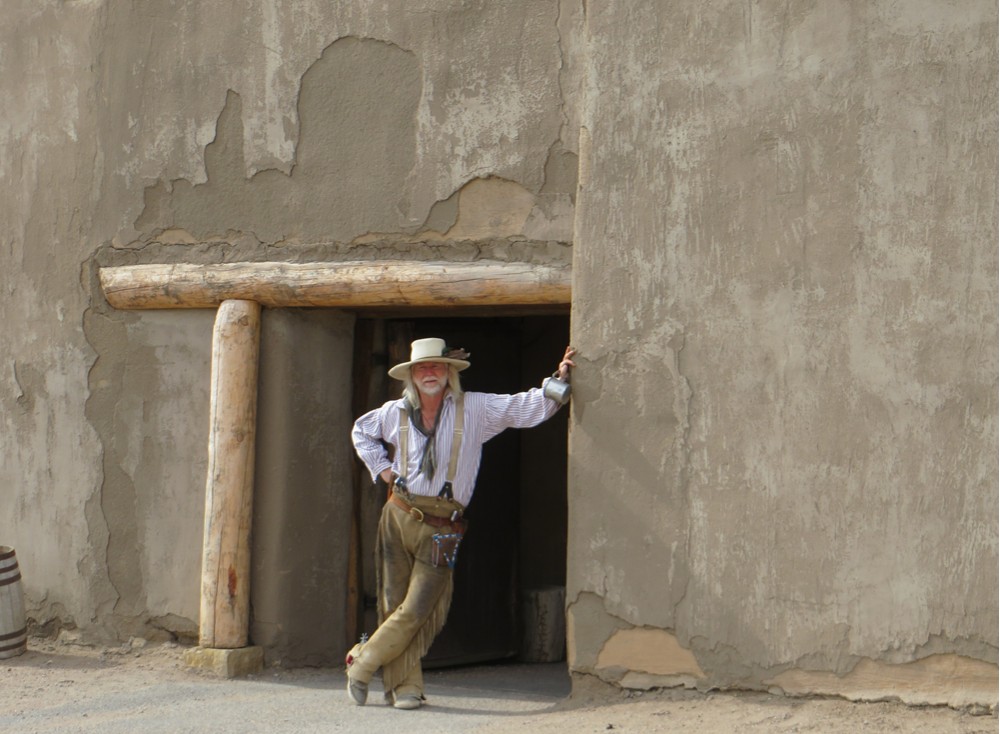
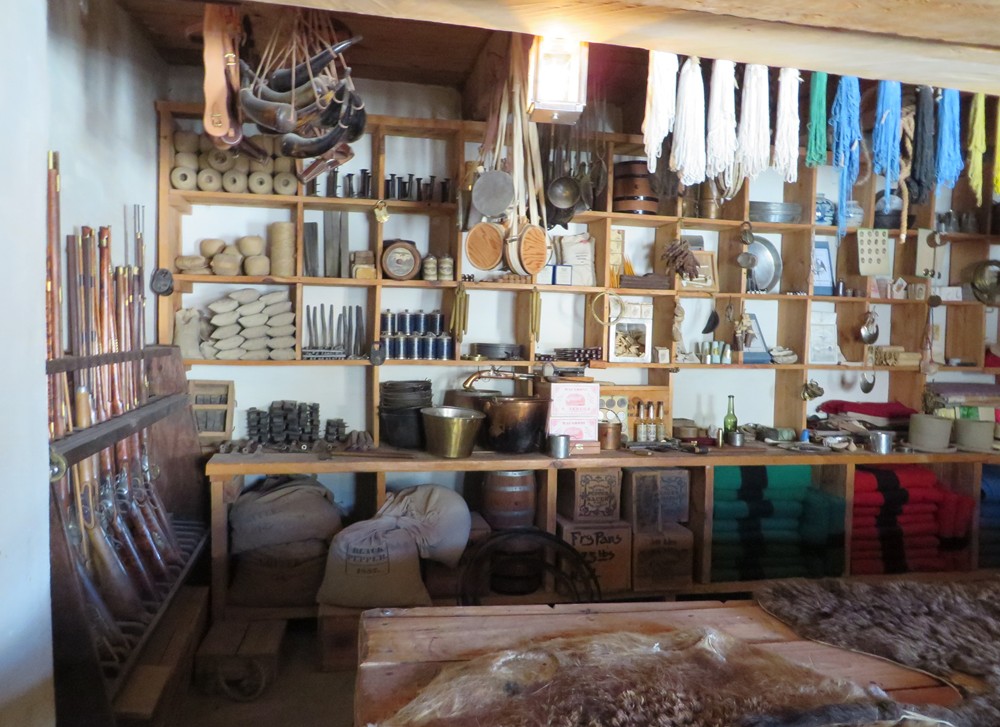
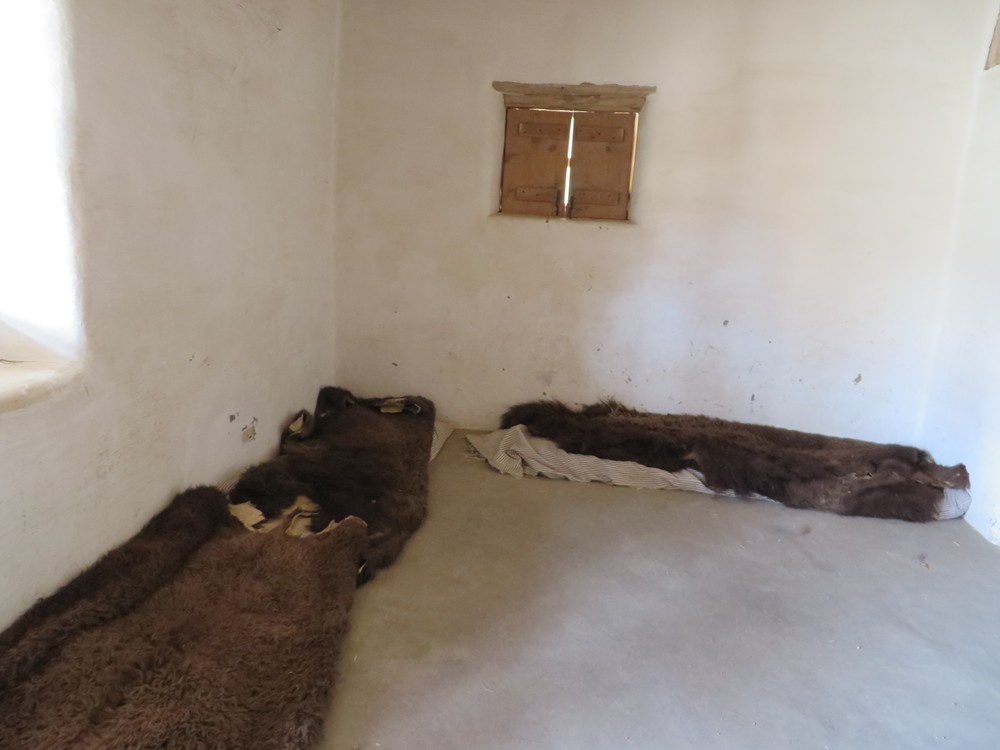
With winter coming on, this might be where you will spend the next few months.
Read Donna Grace’s story of the trip she made and the adventures she experienced on her trip along the Santa Fe Trail.
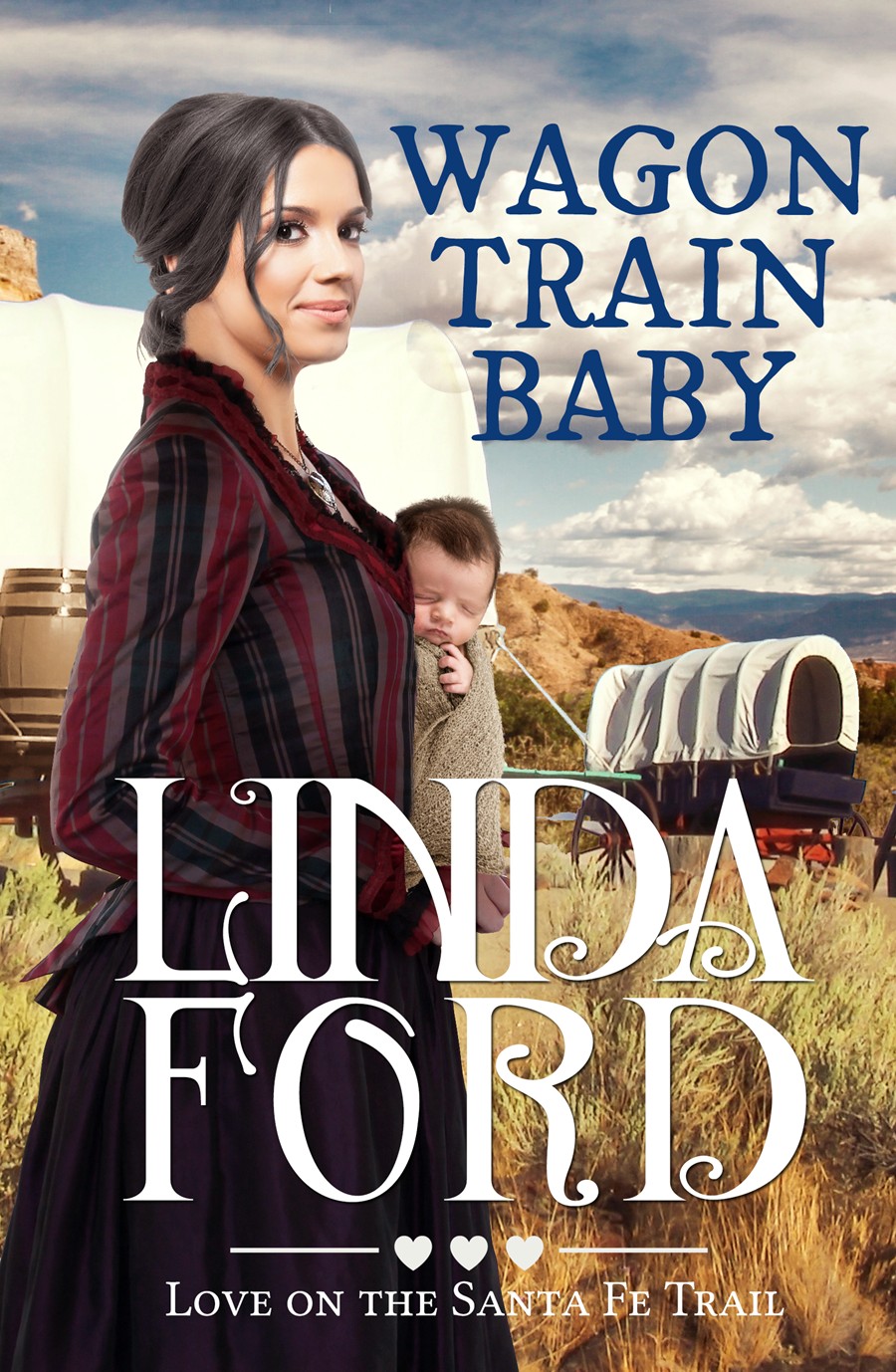 Available now
Right here:
https://tinyurl.com/y9op6u5g
SOME THINGS ARE WORTH THE EFFORT
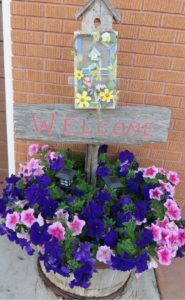 Welcome to my flower garden. Be warned, I don’t spend a lot of time on it. In fact, every year I say this will be the last year for flowers. With a huge vegetable garden and acres of lawn and yard, who has time for flowers? But every year I enjoy them so much I continue.
Here are some red roses–an unexpected treat. One year my husband gave me one of those tiny rosebushes. Probably for mother’s day. Come spring and it was beyond it’s best before date, I decided to stick it in the ground. And now, years later, it is thriving. It is about 2 feet tall and covered in red roses all summer. 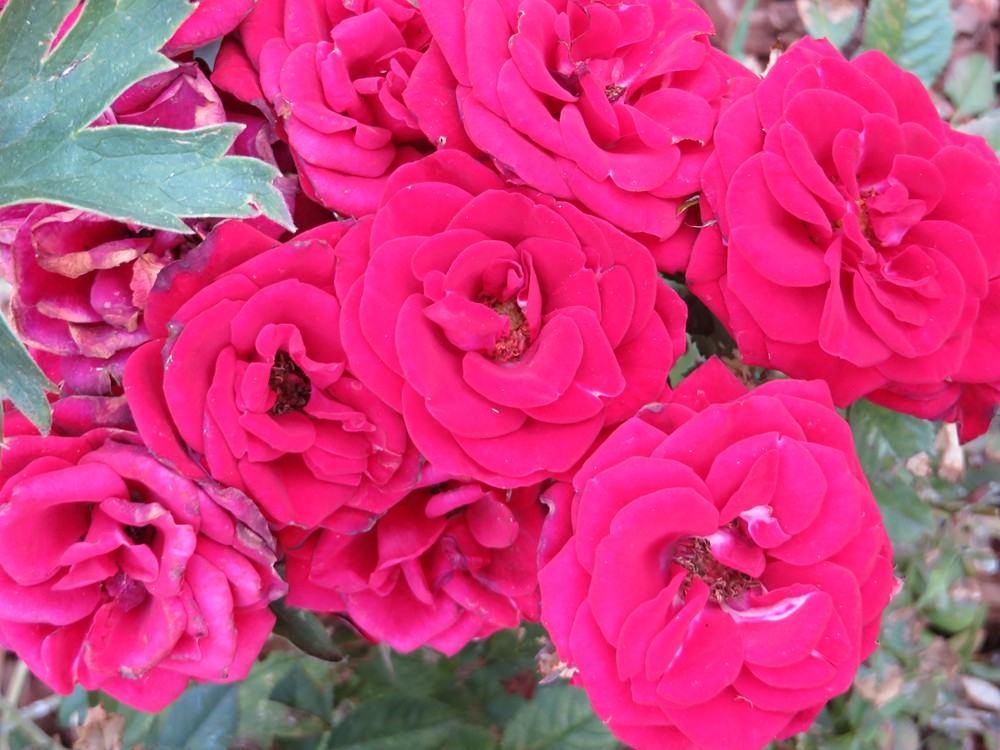
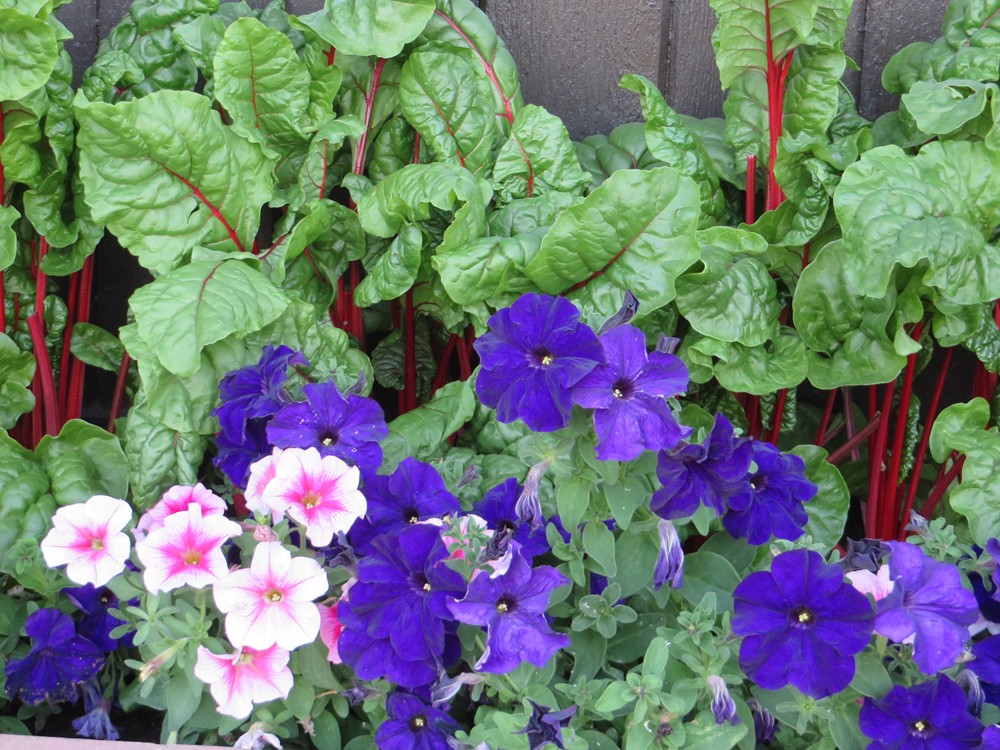 Here is my brick planter in front of my big picture window. And yes, that is red chard forming the backdrop. It looks nice and tastes good.
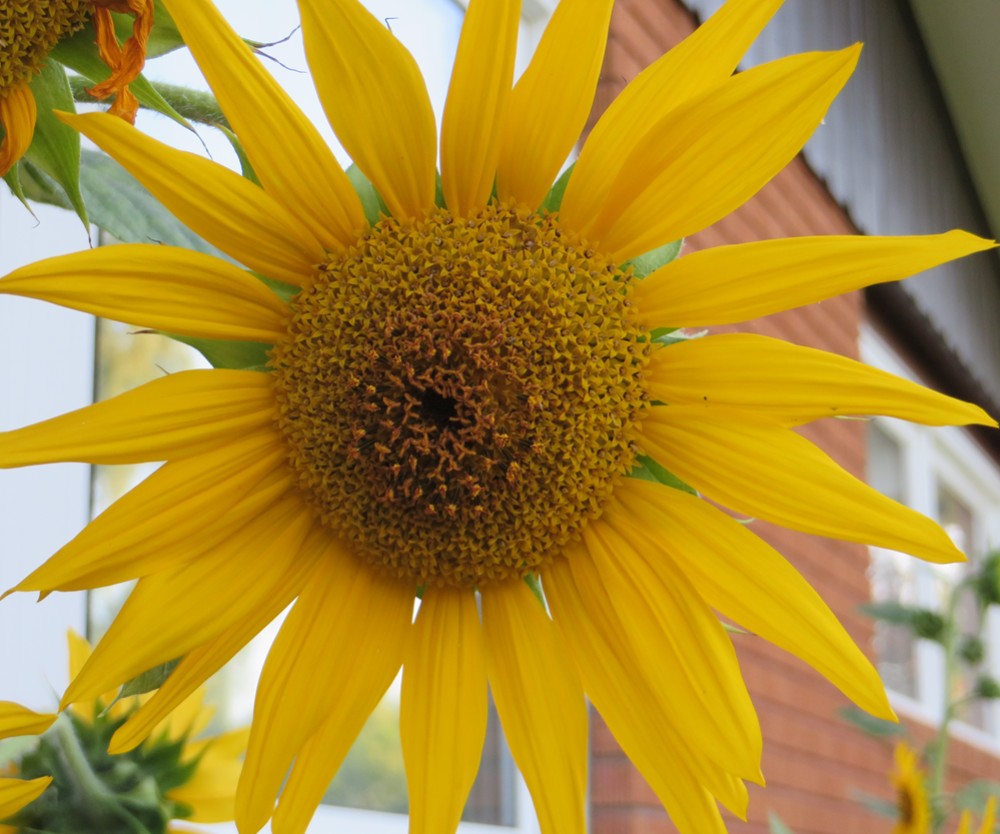
I have sunflowers right outside my office window. I leave them up for the winter and they attract birds to eat the seeds.
I’ve come to the conclusion that flowers are worth the effort they take.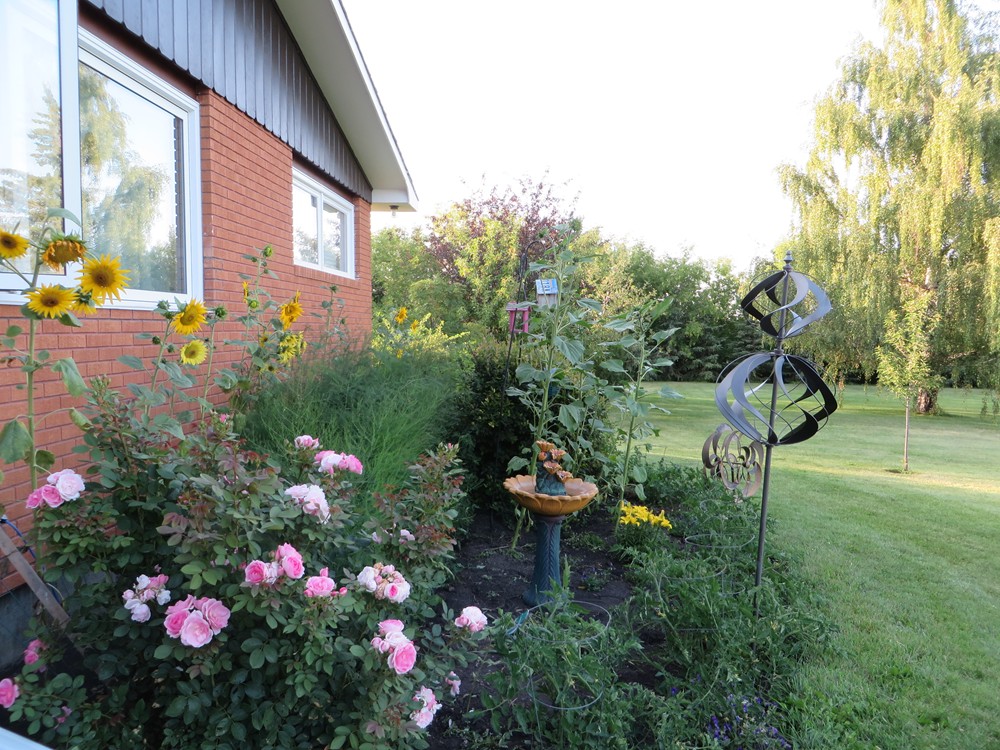
It’s much the same with life. Some things take a lot of effort and I wonder if they are worth it. A trip to the lake with the grandkids, for instance. Or taking time to visit friends or even sit outside and enjoy the summer evening. But in the end, these things are worth the effort. At least I think so.
What Happened to the Lazy, Hazy, Crazy Days of Summer?
Summer. The most delightful season of the year. Or that’s what the song writer would have us believe. For me, there is no lazy about it. Crazy, yes. Crazy busy. Every outside chore must be crammed into a few weeks of good weather. There are summer activities–camps, parades, parties. There is company and who doesn’t want to see family and friends and enjoy the outdoors together? There is the garden. It’s a lot of work but we love the fresh vegetables and berries and enjoy the fruit of our (by which I mean, my) labor’s all winter long.
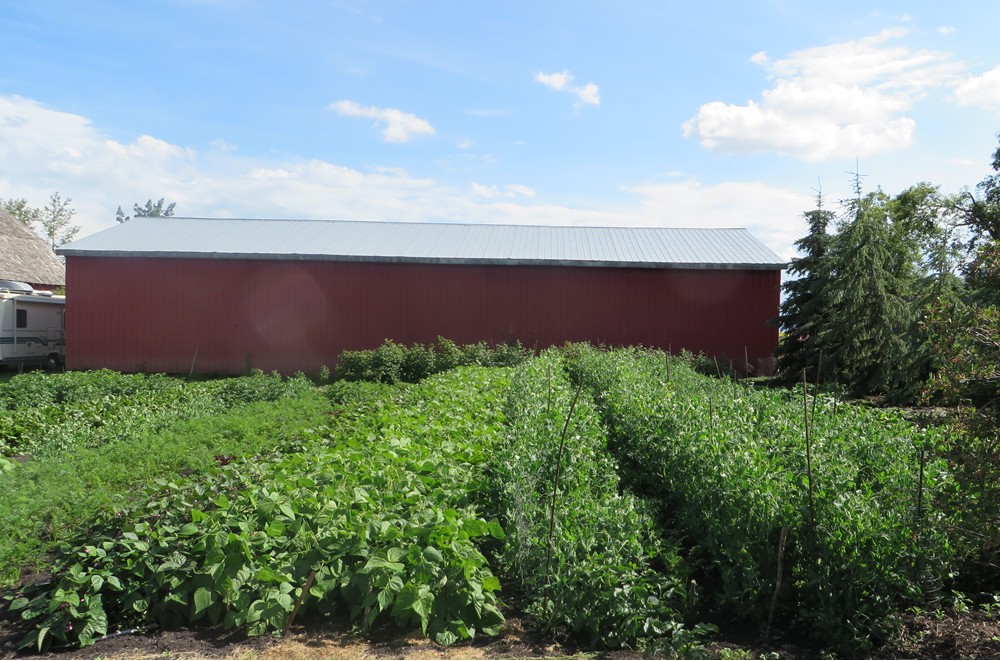
But it can all be a little overwhelming. Crazy even. I have to make a conscious effort to look for the silver lining in all this busyness.
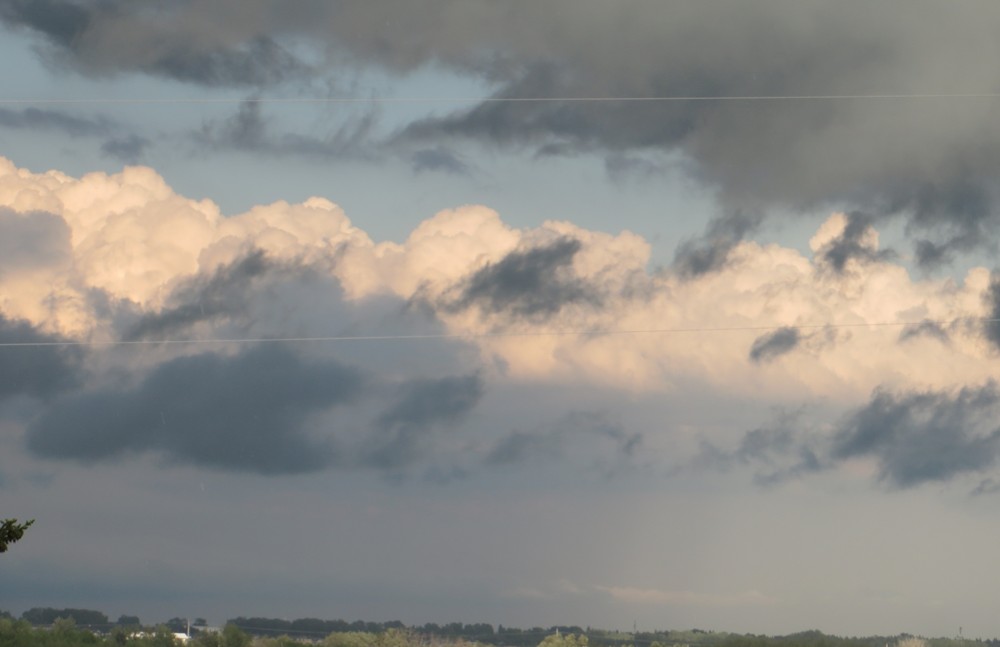
The joy of grandchildren, the scent of flowers, the green green of the landscape, the drives to town without scrapping ice, the long evenings of sunlight, the freedom to go outside without bundling up.
Is your summer lazy or crazy? What do you do to make it enjoyable and memorable?
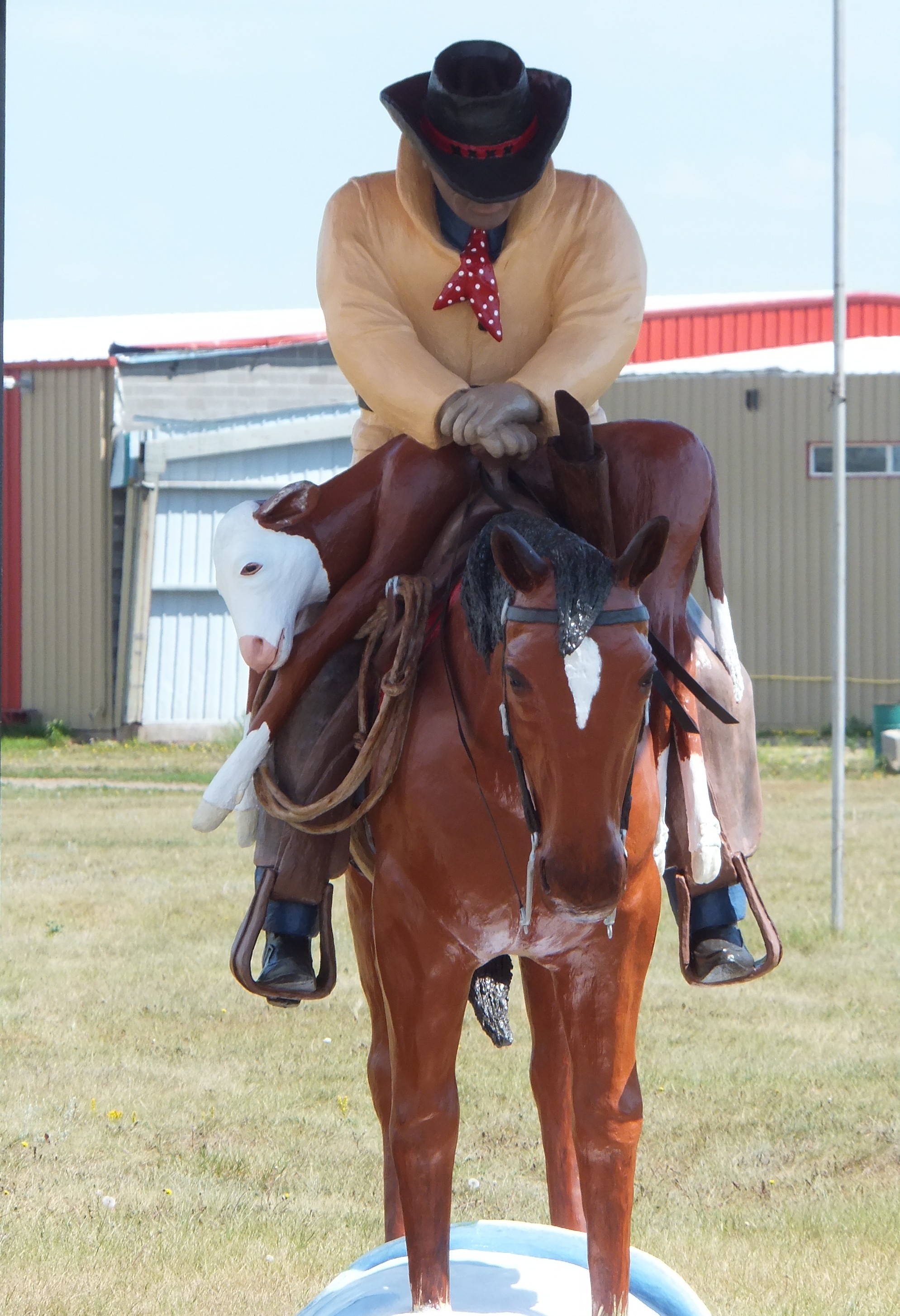
This is the week of the world famous Calgary Stampede. I’ve written about the history of the Stampede so I won’t do that again. But what is more evident during Stampede week than the cowboy hat?
The cowboy hat is recognized around the world as part of cowboy style. Originally though, its use was mostly functional (thought I dare say many a maiden swooned at the sight of a man wearing one). Its wide brim protected working cowboys from the sun and rain. It could also be used to signal others, fan a campfire, swat a horse or pull water out of a stream.
It is not clear when the cowboy hat began to be named as such. Westerners originally had no standard headwear. 1865, with $100, John B. Stetson rented a small room, bought the tools he needed, bought $10 worth of fur and the John B. Stetson Hat Company was born. The original hat manufactured by Stetson in 1865, was flat-brimmed, had a straight sided crown, with rounded corners. These light-weight, waterproof hats, were natural in color, with four inch crowns and brims. A plain hatband was fitted to adjust head size. The sweatband bore Stetson’s name. Stetson focused on expensive, high-quality hats that represented both a real investment for the working cowboy and statement of success for the city dweller.
The durability and water-resistance of the original Stetson obtained additional publicity in 1912, when the battleship USS Maine was raised from Havana harbor, where it had sunk in 1898. A Stetson hat was found in the wreck, which had been submerged in seawater for 14 years. The hat had been exposed to ooze, mud, and plant growth. However, the hat was cleaned off, and appeared to be undamaged.
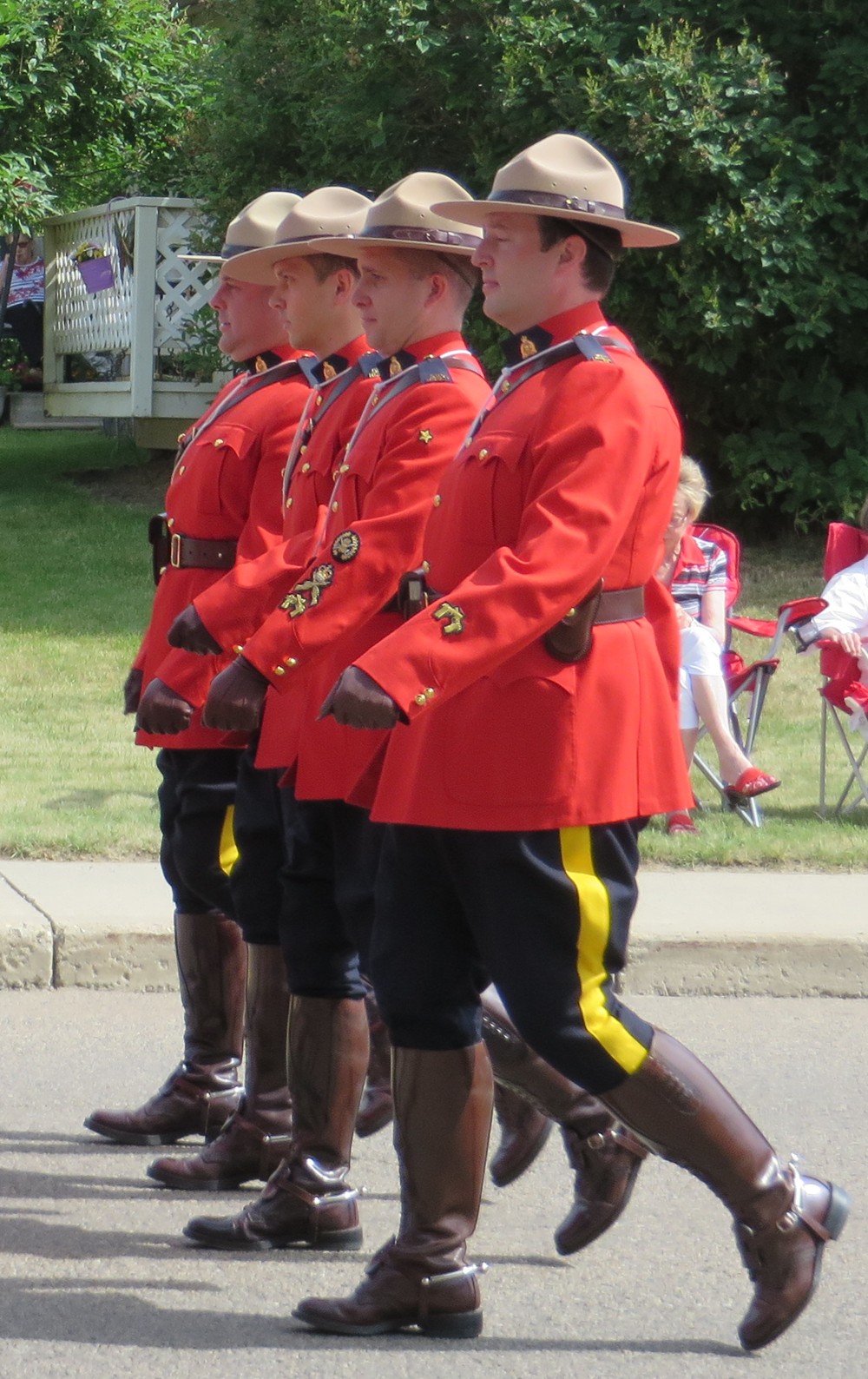
Interestingly enough, the Mounties, now famous for their dress Stetson, completed their orginal cross-country march in a pillbox that offered no protection from the sun and rain.
Do real cowboys today wear cowboy hats except for special occasions? Most of those I know, don’t. What do you think about cowboy hats? Special occasion or everyday wear of a real cowboy?
After The Rain

We had heavy rains. But later in the day, we had a lovely rainbow. Makes one think. Without rain would there be a rainbow? (I don’t want an answer. It’s a rhetorical question.:-))
Reminds me of life. Troubles and trials come. Do they make us bitter or better? Many of my stories address this issue.
It also reminds me of a beautiful poem by Annie J Flint which is now in public domain. Look her up to see some of her other encouraging poems.
WHAT GOD HATH PROMISED
God hath not promised skies always blue,
Flower strewn pathways all our lives through;
God hath not promised sun without rain,
Joy without sorrow, peace without pain.
But God hath promised strength for the day,
Rest for the labor, light for the way,
Grace for the trials, help from above,
Unfailing sympathy, undying love.
God hath not promised we shall not know
Toil and temptation, trouble and woe;
He hath not told us we shall not bear
Many a burden, many a care.
God hath not promised smooth roads and wide,
Swift, easy travel, needing no guide;
Never a mountain rocky and steep,
Never a river turbid and deep.
ANNIE JOHNSON FLINT (public domain)
Happy Father’s Day
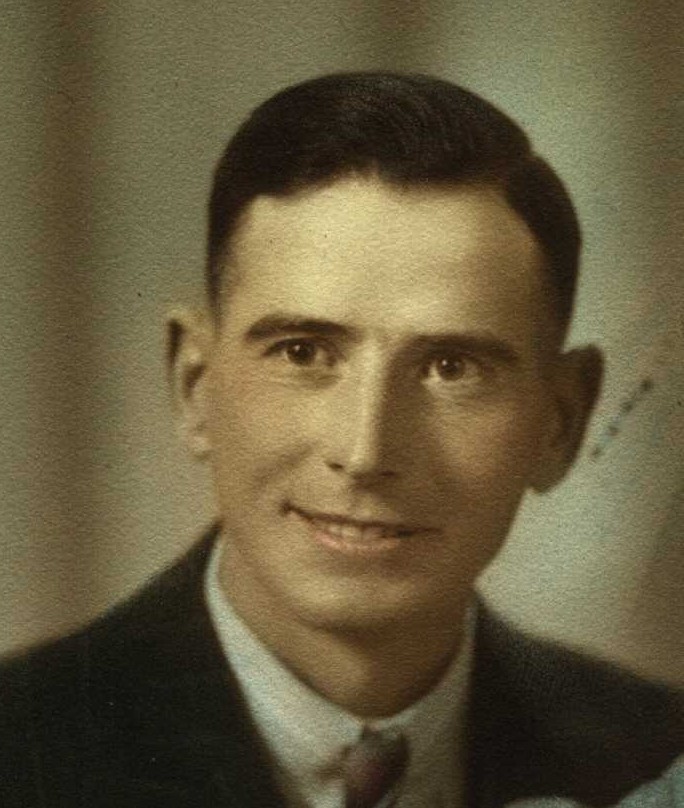
A picture of my dad when he married my mother.
My dad has been gone for 15 years yet I often think of things he said and did. I often repeat what he said about me being so short. ‘As long as you’re tall enough to reach your teeth to brush them.’ Or ‘Small things come in small packages.’ He would wait a minute and then add, ‘Then so does dynamite and poison.’ Of course, he always said it with a smile.
Some of my favorite memories are studying the stars with him. It seemed he knew the names of all the constellations. Exploring for fossils. Camping by the Red Deer River and crossing the ferry with him. Riding in the grader with him as he repaired roads. Visiting museums on our travels, and the stories he told about the past. He’d come to Alberta as a young boy and settled in one of the driest parts of the province. He often said there were two good years of farming there–1916 and next year. And who can forget the long, dusty drive to Hay River in the Northwest Territories. I believe it was the last long trip I took with my parents. That fall as I returned to school, I wrote the traditional ‘What did you do in the summer?’ essay. I remember I got top marks for the descriptive way I told of our trip. Looking back, I think that was the first time I thought of being a writer.
A special memory is the series of sermons my father did teaching how every detail of the Old Testament tabernacle portrayed a truth about our faith.
Such wonderful memories. I hope all of you have sweet memories of times spent with your father. If you are still able, make some more memories today.
Do you have a job you hate to do?
I found this blog in the depths of my computer files. My notes say it was initially published in Mar. 2004. Sad to say it is as true today as it was then. I offer it with a few changes to bring it up to date.
What is the job you hate doing?
For me, it is bed making after washing the sheets. I used to procrastinate, bribe others, complain and whine. One day, in a fit of pique, I decided to time myself. I was hoping to justify my bad attitude about the job. Imagine my shock and chagrin when I realized it took 5 minutes to do the job. Yup. Five minutes which triggered an hour of moaning and groaning. Now I wish I could say that in a wonderfully mature fashion I decide to never again complain. I didn’t. However, I do now manage to race to the bedroom during commercials and whip a bed together. Most commercial breaks are longer than 5 minutes.
There are other things I hate doing—or at least starting. Every morning I procrastinate about jumping into writing. I know why I have this problem. It’s because I enter a different world, I get involved with my characters. I get so involved with them that I often emerge from a writing session wrung out emotionally to the point of exhaustion. It’s the investment of my emotions that makes it hard to cross that barrier into the other world.
I read a quote that describes my struggle. “At the moment of beginning, almost anything is more interesting than writing.”
Aristotle said ‘Well begun is half done.’ However he did not say how to get well begun.
I have yet to find a satisfactory way of getting past that barrier. I have lots of little tricks but I know they are tricks. Sometimes I fool myself with them. Sometimes I don’t.
To borrow a famous trademark slogan, I just need to do it because I know there’s a story that needs telling. As Michelanglo said: “I saw the angel in the marble and carved until I set him free.” I’m no Michelangelo but perhaps I have a job to do—setting my story free from my beleaguered brain.
Seeing the finished product is an encouragement. Like this book, released on Amazon June 1.
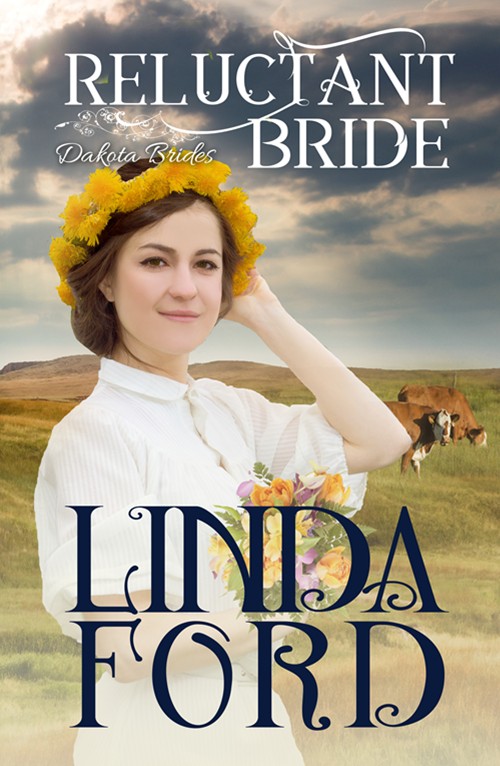
Get it here:
https://tinyurl.com/yaaz88fu
Layering


Here are two pictures of the beautiful Garden of the Gods in Colorado. Both are stunning. The whole place is a sight to behold. But the one on the left is flat compared to the one on the right. Why? Because the layer of clouds gives it added depth and texture.
I find in my writing I need to add layers and textures as well.
I can add texture with description but I need to be careful not to bog the story down. Just a flavor of the setting or a thumbnail description of the character.
Another way to add texture is to layer subplots, add symbolism (Symbolism is basically something that has a meaning beyond itself) and motif–a recurring object, or song, for instance, that triggers a response in the character. I can also add texture and layers through conflict and theme.
All of that is cerebral and means nothing to most people. Suffice it to say stories can be flat if no layers are involved.
A little like life, I suppose. We need clouds to make shadows that give our lives depth and beauty. It’s the strong wind that makes the tree roots grow deep. Like the saying goes, without the rain, there is no rainbow.
Or as Bill and Gloria say in their song, “Through it All”
I thank God for the mountains,
and I thank Him for the valleys,
I thank Him for the storms He brought me through.
For if I’d never had a problem,
I wouldn’t know God could solve them,
I’d never know what faith in God could do.
Full Song Lyrics: http://www.lyrster.com/lyrics/through-it-all-lyrics-bill-gloria-gaither.html#ixzz5HJCcyQIG
May your life be filled with just enough sunshine and rain, shadow and pain to make it a beautiful thing.
ENCOUNTERING A ROADBLOCK
I set out on my morning walk, determined to get in as many steps as possible in my limited time. After all, I had things to do, plans, an agenda. And then I saw a skunk headed for the road. It was going to cross right in front of me. I was bigger and I’m sure smarter. After all, how big a brain can it have? I was sure my agenda was of more importance than a skunk’s. But in the name of common sense and safety (mine), I stopped and waited for it to cross and go on its merry way. A small animal but a huge roadblock.
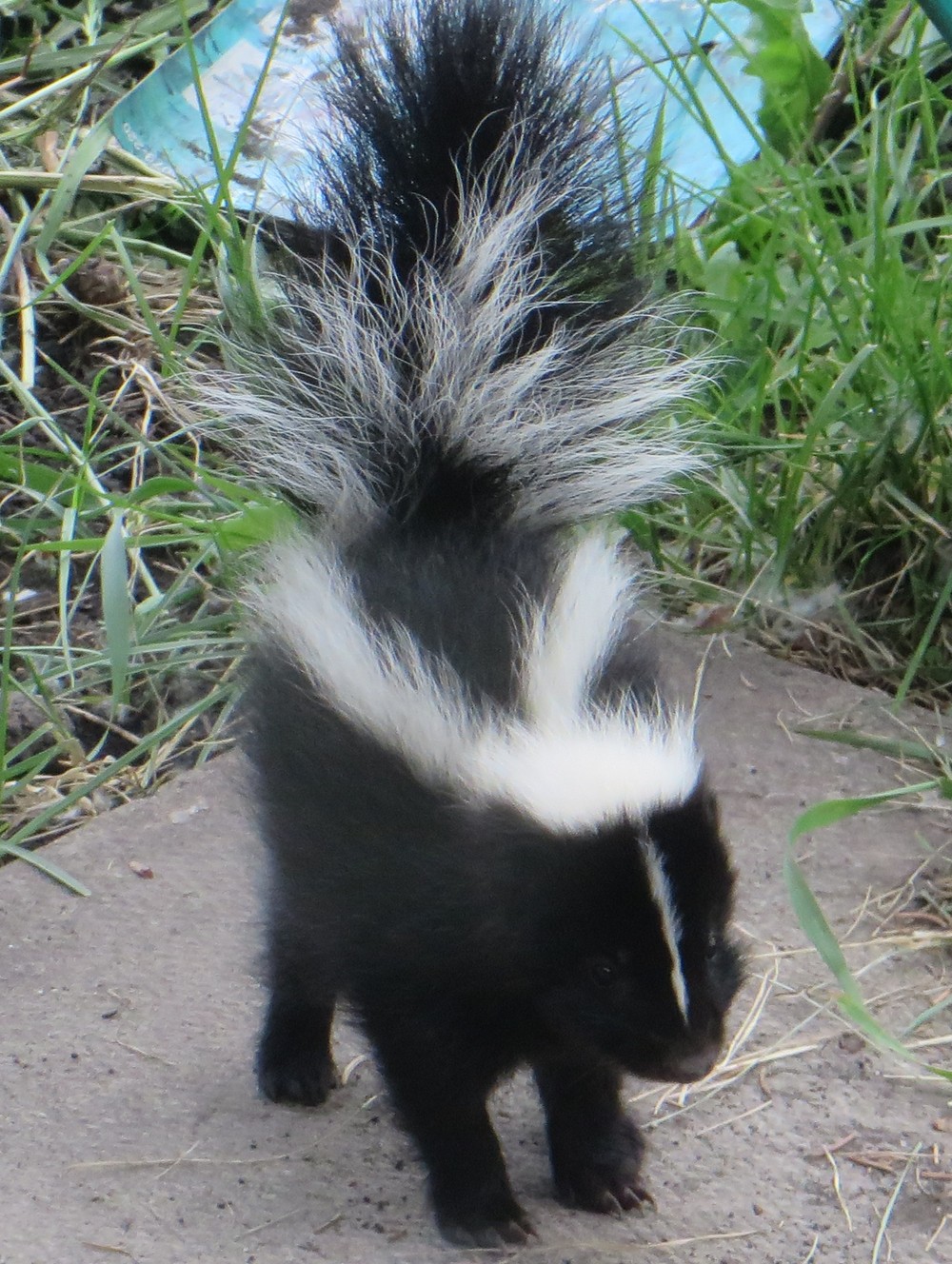
I realize that writing stories is sometimes like that. I have a plan and I’m set on writing. But suddenly, the writing comes grinding to a halt. I’ve learned I can’t blindly push forward. There is something creating the roadblock and I have to stop and figure out what it is.
Maybe life is like that too. Unexpected things cause our lives to come to a grinding halt. We have to stop and re-evaluate. Is it time to change direction? Choose another route? Wait?
These past couple of weeks, I’ve been dealing with roadblocks. Skunks are the easiest to deal with. Story problems are not quite so easy and life re-directions are the hardest to figure out.
Thankfully, I am not floundering on my own even if it sometimes feels that way. God promises, ‘I will instruct you and teach you in the way you should go; I will counsel you with my loving eye on you.’ Psalm 32:8.
As Matt Redman says in his beautiful song, 10,000 Reasons:
Whatever may pass
And whatever lies before me
Let me be singing
When the evening comes
Happy Mother’s Day
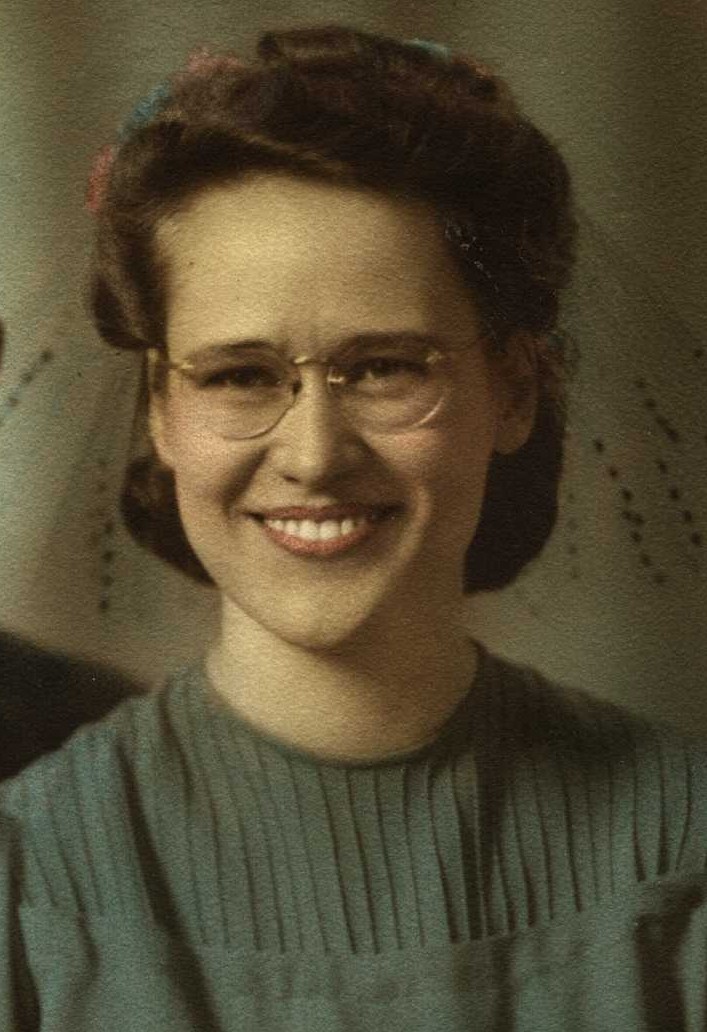 I feel like I should have something profound to say on Mother`s Day. I tried to think of special memories of Mother`s Day when I was a child. But I could think of none. Was it so commercialized back then (in the dark ages)? Yet when I think of my mother, I have memories that surely qualify for a special place on Mother`s Day.
First, there’s lardie cake. Has anyone else heard of this or is it a family recipe, perhaps finding its way down from my Scottish grandmother? My mother rolled out bread dough, spread it with lard (I`m sure that`s how she did it even though it sounds gross), sprinkled it with white sugar, folded it up and rolled it out again. She rolled it out several times that way. Baked in a loaf, it was sweet, crisp and delicious. And back then we didn`t worry about our arteries.
I was six or seven when I got my tonsils out. My throat hurt enough to cut glass with. I remember how my parents brought me home from the hospital and put me on the couch outside their bedroom. I suppose it was so they could watch me. At the time I thought it meant I was extremely ill. I woke in the night with my throat so dry and painful I could hardly open my mouth. Somehow I managed to call—or more likely, whisper—for my mother. I`m amazed she heard, but she did, and brought me cool water to soothe my throat. There is something special about knowing your mother will let you disturb her sleep and come to your side in the middle of the night.
One thing I thank my mother for almost every day is how she taught us about God. She encouraged us to memorize verses. To this day I remember the one I committed to my memory. How wise of her to recognize how much our young minds would retain.
My mother liked to draw with colored pencils. One of my fondest memories is picking wild flowers and taking them to her. A few hours later we`d return to find the flower drawn in colorful, accurate detail. She sketched butterflies, moths, and caterpillars as well. On the top shelf above my desk I have a picture she did of a wild rose.
Maybe that`s my Mother`s Day present to her—remembering her with love.