Easter, spring, hope, renewal–what a wonderful time of year. Good Friday and we remember Christ’s death. On Easter Sunday we will celebrate his resurrection and all that means to us.
I wondered what I could post for Easter then remembered the postcards.
When my husband and I had been married a couple of years, we made arrangements to buy the family farm. His parents moved out of the big old house and we moved in and inherited fifty years of stuff. The house has under the eaves closets that ran the length of the room–still full. It has a full basement used mostly for storage and still full. It has an attic. This wasn’t the sort of attic where you go play and explore remnants of past years. This attic was reached by a ladder and boxes were shoved through it to later be dealt with. Later never came. We found lots of junk and a few treasures.
Among the treasures, mixed in with the junk, were postcards. Old postcards. It appeared that postcards were once as popular as phonecalls and emails. The collection forms a wonderful document of buildings a century ago. And as today, the seasons were remembered. I thought I’d share a few of the Easter postcards. Enjoy.

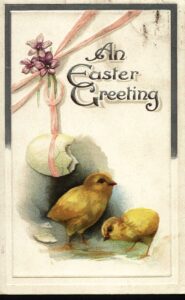


Enjoy the season. Enjoy your family. Most of all enjoy the blesesings of Easter.
He is risen. He is risen indeed.
COURAGE DOESN’T ALWAYS ROAR
I confess to having endured a bad spell of discouragement. Thankfully, it was short. But for that bit of time I wanted to give up writing. In fact, I had decided I would. (The feeling lasted about 24 hours.) I guess I’m not alone in occassional bouts of discouragment. Dale Carnegie says, “Develop success from failures. Discouragment and failure are two of the surest stepping stones to sucess.” Thanks for the assurance but couldn’t there be another way?
I had lunch with a writing friend this week and she told me she had given up writing after a discouraging rejection. She’d packed up every bit of writing stuff–manuscript pages, how-to books, notes…everything. Put it all in boxes and hauled it down to the basement. In fact, she considered giving away her computer and turning her little office into something more practical. A spare bedroom or a nice private sitting area. It lasted two days and then she was downstairs digging through the boxes looking for notes on a story that she was pretty sure she could write. Funny, maybe? But only if you don’t go through those dark times.
Mary Anne Racmacher has writing a book, Courage Doesn’t Always Roar. In it she says, ‘Courage doesn’t always roar. Sometimes courage is a little voice at the end of the day that says I’ll try again tomorrow.’ ‘Courage is the willingness to aspire, reach and again believe in the promises of tomorrow.’ And ‘It take courage to reinvent dreams.”
Someone has said success is picking yourself up one more time than you fall down. A long journey in the WRITE direction in my case.
‘Courage is being afraid but going on anyhow.’ Dan Rather.
‘I know the price of success: dedication, hard work, and an unremitting devotion to the things you want to see happen.’ Frank Lloyd Wright. (Interesting that his last name is Wright.)
‘Energy and persistence conquer all things.’ Benjamin Franklin. (How many times did he fail to create a light bulb before he succeeded? Some say he experimented with 3000 different theories.)
‘Whatever you can do or dream you can, begin it, boldnes has genius, power and magic in it.’ Attributed to Goethe.
And so I pick myself up, dust myself off and start all over again. Or as Vincent Van Gogh said, ‘In spite of everything I shall rise again: I will take up my pencil, which have forsaken in my great discouragement, and I will go on with my drawing.’ According to my research, Van Gogh produced more than 1000 drawings in addition to 870 paintings, 150 watercolors, and 133 letter sketches.
(information from this site.http://www.vggallery.com/drawings/main_az.htm) Mind you, if you study Van Gogh’s life you might not find it such an inspiration. He suffered ill-fated romances, cut off part of his ear in a fit of anger and finally shot himself ‘for the good of all.” Perhaps I’ll limit myself to finding encouragement in his work rather than his life.
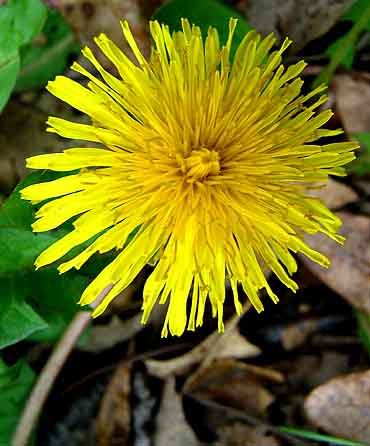
On the other hand, I can find encouragement in something as simple as a dandelion. I once wrote a poem called Dandelion Love, and no I won’t subject you to it (even if I could find a copy). But the message was roses are too fragile, I want a love that is as stubborn, tenacious and unstoppable as a dandelion which pokes up through cracks in the pavement and waves its cheery head from ever corner and crevise.
I also find encouragement in the scriptures. Is. 40:31 ‘… but those who hope in the Lord will renew their strength. They will soar on wings like eagles; they will run and not grow weary, they will walk and not faint.’
 So what do you do when discouragement hits? What things encourage you and get you over the dark period? I’d love to hear what works for you.
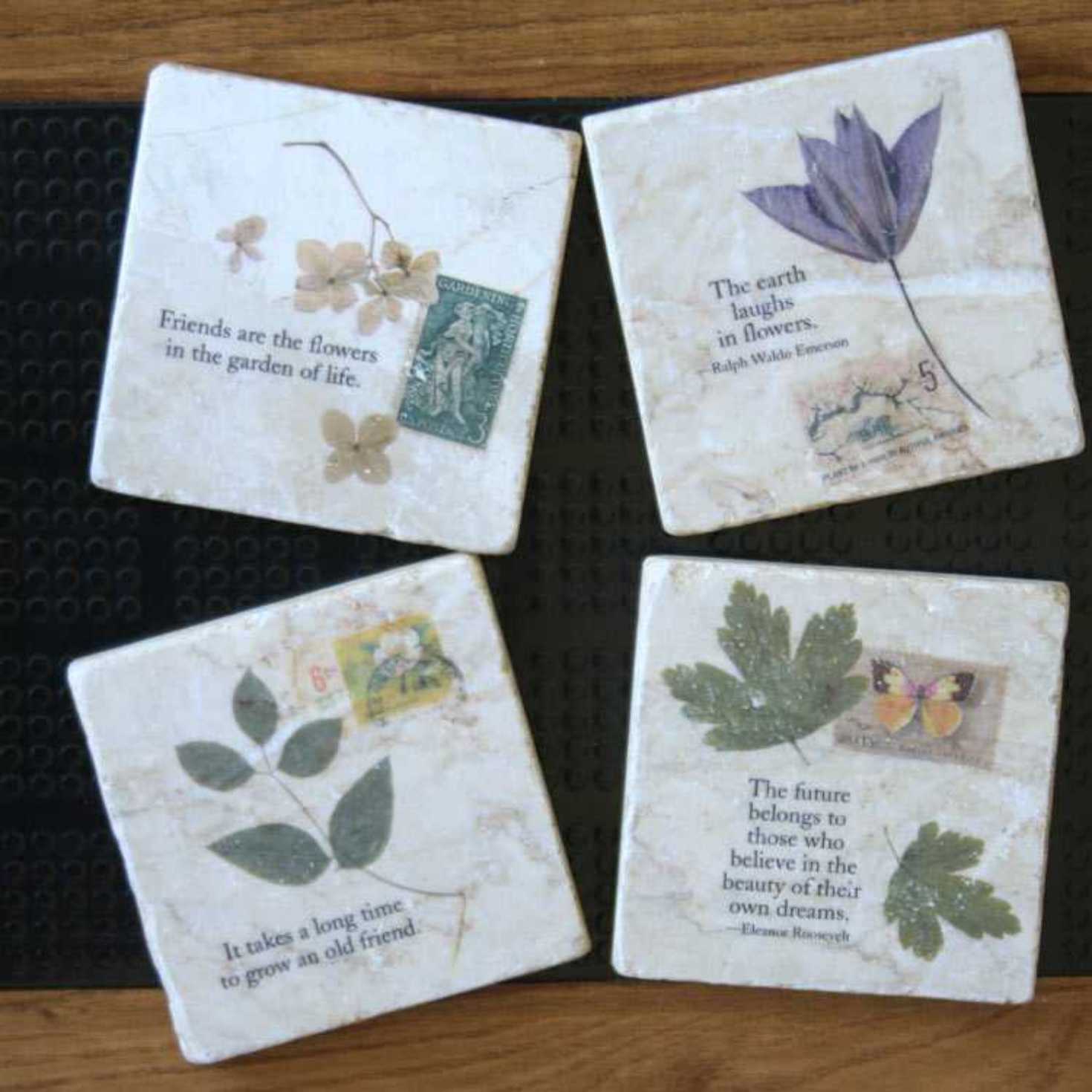
“The earth laughs in flowers.” Ralph Waldo Emerson
Considering spring has come with a storm warning for heavy snowfall tonight I thought we needed a good laugh in flowers. Enjoy memories of summer and keep hoping for spring.
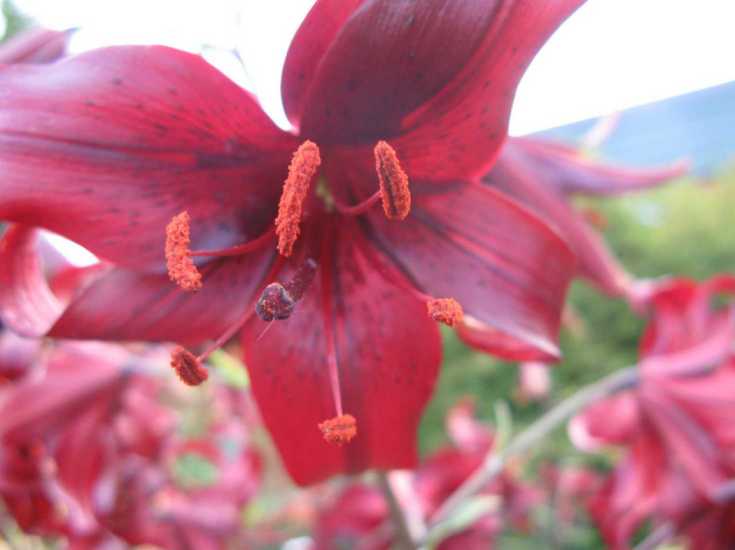
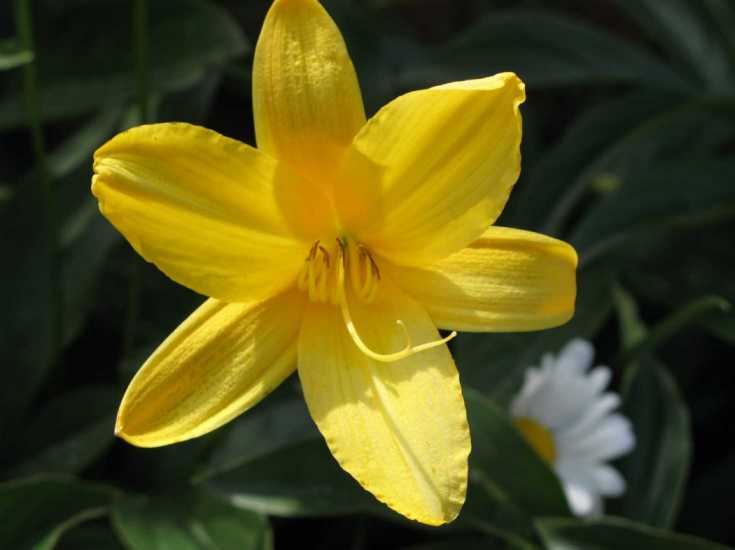
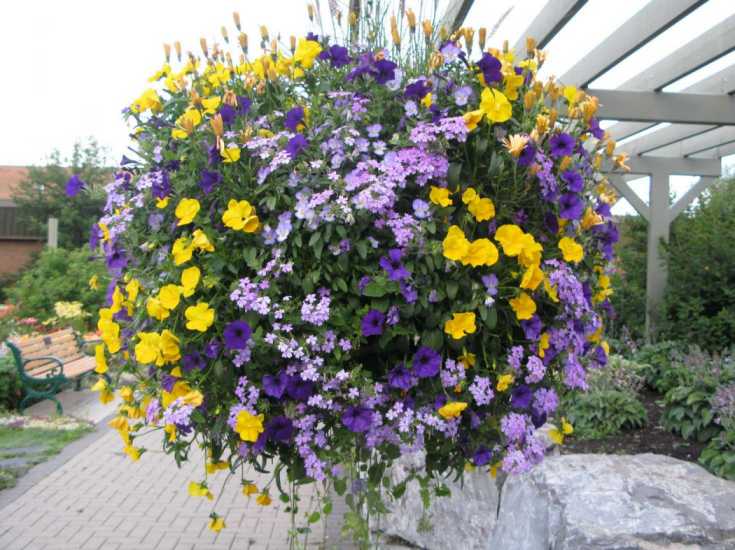 These were taken locally last summer.
I don’t know about you but just look-ing at these flowers makes me happy.
And if you need a jump start on your writing as I often do, check out this site.
writeordie.html
SPRING IS COMING? RIGHT? ASK THE BALD EAGLE.
Winter seems to have dragged on forever this year. I know it’s only mid-March but I want spring. Now. I know it will come. As someone once assured me spring will come…if not this year, then next for sure. Unfortuantely, in some dark corner of my mind, along with neuroses and dire imaginations, lurks the fear that maybe it will be next year. So I look for signs. Any sign.
Unfortunately the ground is still under a thick blanket of snow so I don’t see any hint of green grass, tulips poking through the snow, or even dirty brown soil. However, I do see puddles forming and water trickling down the sewer drains. Ahh. A good sign for sure.
And we no longer have more nightime hours than daytime. (Is that controlled by daylight saving time do you think?). In fact, it’s light long enough in the evenings to now go for a walk after supper. Another indication that spring is on its way. And yes, I’m counting every possible sign.
But the biggest indication of all? Old Baldy sitting in the treetop. Have a look for yourself.
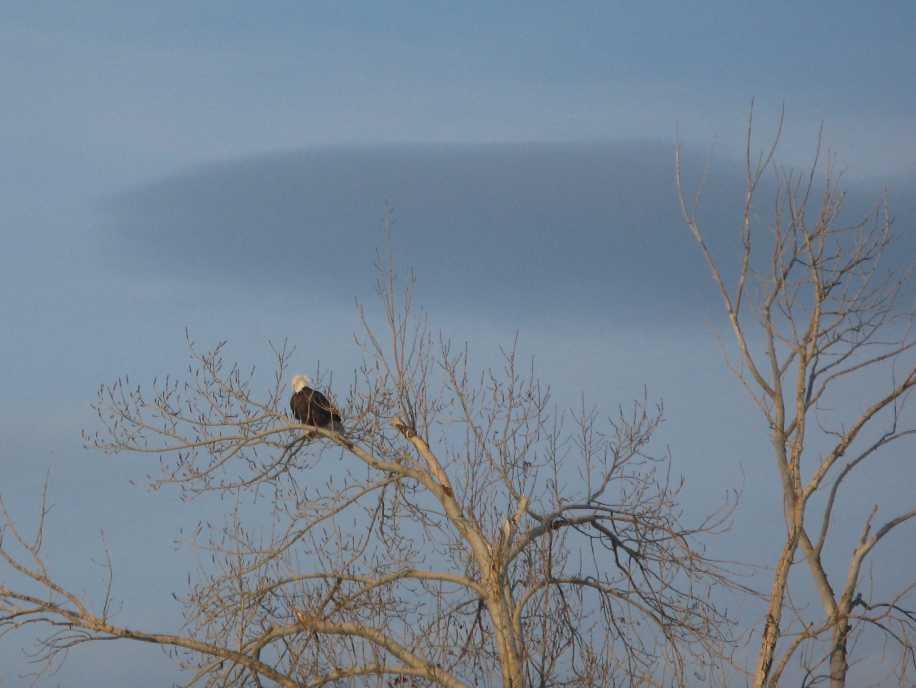
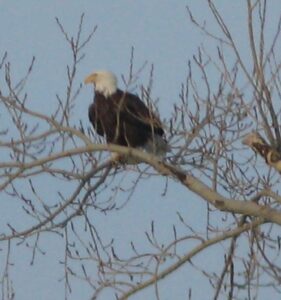
In the past we have had up to 7 of them hanging around eating carrion. Okay, I confess I am really grasping at straws here counting this fella as a sign of spring because I saw him for the first time March 1. I can’t imagine what he thought when it dropped to -30 C. Nor can I imagine how he kept warm. No doubt he was grumbling and grousing about the cold weather just like the rest of us.
Oh wait, water is dripping off the eaves. A sure sign winter is dying. Looks like we’ll see it this year for sure.
MORE THAN ENOUGH ABOUT CHICKENS
This is writing related. Sort of. I checked out an e-course I was interested in. As usual, I checked out the presentator to see if I liked what I saw. Her website opened on a page all about chickens. Very pretty chickens I confess but this is also where I–a country person who has grown and/or produced most of our own food for years–admit to loathing chickens.
In all fairness I admit they serve a purpose. They produce meat and eggs


They can be nice to look at

especially day old chicks


and free range chickens help get rid of bugs.


So you might well ask, what’s the problem? The problem is I hate chickens. Always have. Always will. In my mind they are dirty, noisy, cannabalistic and creepy. And it’s not that I haven’t known a lot of chickens in my time. Hundreds of them, probably thousands over the years. Never met one I liked. Never. So when we moved to this place I made one stipulation. No chickens. Ever.
Guess I might not be the only one who feels this way. Check out this blog. http://burkinafasopcvs.blogspot.com/2007/11/why-i-hate-chickens.html
I quote part of it here.
Why I Hate Chickens
-They cluck for no good reason.
-They make loud clicking noises when they groom their feathers.
-People keep giving them to us–we’re on Clucky 3.
-They have to put their heads up to swallow. Intelligent design, my ass.
-They poop everywhere.
-They’re dumb. Studies using chickens as subjects require hundreds of trials before they learn anything.
-They eat everything, including chicken meat and their own poop.
-They nibble our flowers.
-They shrilly crow all the time, not just in the morning–that would require intelligence.
-They can’t even fly well. Useless.
-They’re ugly. And they smell bad.
-Every night the chicken clumsily flies into a tree to sleep and usually falls out at least once.
-The chicken thinks he’s smarter than me–eyeing me while sneaking over to the flowers in plain sight.
-Their eyelids go up. Freaky.
-They evolved from dinosaurs but they suck.
-They’re hard to catch.
-They are pretty tasty, though.
For the best chicken movie go to this YouTube. http://www.youtube.com/watch?v=xPYChyfxWNs
So I decided I could not take a course from woman who admitted a fondness for chickens. I will wait and find another course of interest.
-They make loud clicking noises when they groom their feathers.
-People keep giving them to us–we’re on Clucky 3.
-They have to put their heads up to swallow. Intelligent design, my ass.
-They poop everywhere.
-They’re dumb. Studies using chickens as subjects require hundreds of trials before they learn anything.
-They eat everything, including chicken meat and their own poop.
-They nibble our flowers.
-They shrilly crow all the time, not just in the morning–that would require intelligence.
-They can’t even fly well. Useless.
-They’re ugly. And they smell bad.
-Every night the chicken clumsily flies into a tree to sleep and usually falls out at least once.
-The chicken thinks he’s smarter than me–eyeing me while sneaking over to the flowers in plain sight.
-Their eyelids go up. Freaky.
-They evolved from dinosaurs but they suck.
-They’re hard to catch.
-They are pretty tasty, though.
For the best chicken movie go to this YouTube. http://www.youtube.com/watch?v=xPYChyfxWNs
So I decided I could not take a course from woman who admitted a fondness for chickens. I will wait and find another course of interest.
FISH IS NOT AN OPTION
It began with a New Year’s resolution. A good thing. Yes? Get into shape. Lose a few pounds and start taking some of the supplements we are encouarged to take–baby aspirin, Omega 3–that sort of thing.
So I started doing them–at least the easy part. I started taking the extra supplements. All good. Right?
Turns out, not so much, in my case.
It began with difficulty catching my breath. Then I got so I was breathless at far less than my normal amount of exertion. Constant ache in my left chest which worsened at night. Yes, I did the reasonable thing. I arranged to see my doctor. Unfortunately the earliest date was three weeks away. But the nurse told me what days my doctor would be the ER doctor. So I waited. And I checked out my symptons on webMD. For most of them a warning orange flag appeared. ‘Go immediately to the nearest medical facility.’ But I needed to see my doctor so I could get follow up. So I waited as my symptoms worsened. Or was I just imagining it? You know how it is when you start to think about aches and pains. They get worse.
Friday was her day in ER so up I went. She rubbed her hands in glee at being able to poke and prod me. I had ECG, xrays, blood work. My heart was fine but she said my lungs looked…okay, I can’t remember what she said but something about them being over inflated, or something. It appears I am having an allergic reaction to the Omega fish based pills which I had quit taking two weeks prior as soon as my symptoms appeared.
I’m home with a puffer and pills and orders not to do anything strenuous until I get an all clear. (At least 2 weeks). Not that doing anything strenuous is an option. I can’t get enough air into my lungs for just ordinary activity. And a strict warning to avoid fish in the future. Any kind of fish. (There goes tuna melts and salmon sandwiches.)
So now I have an excuse for sitting around enjoying the sunrise and/or sunset.
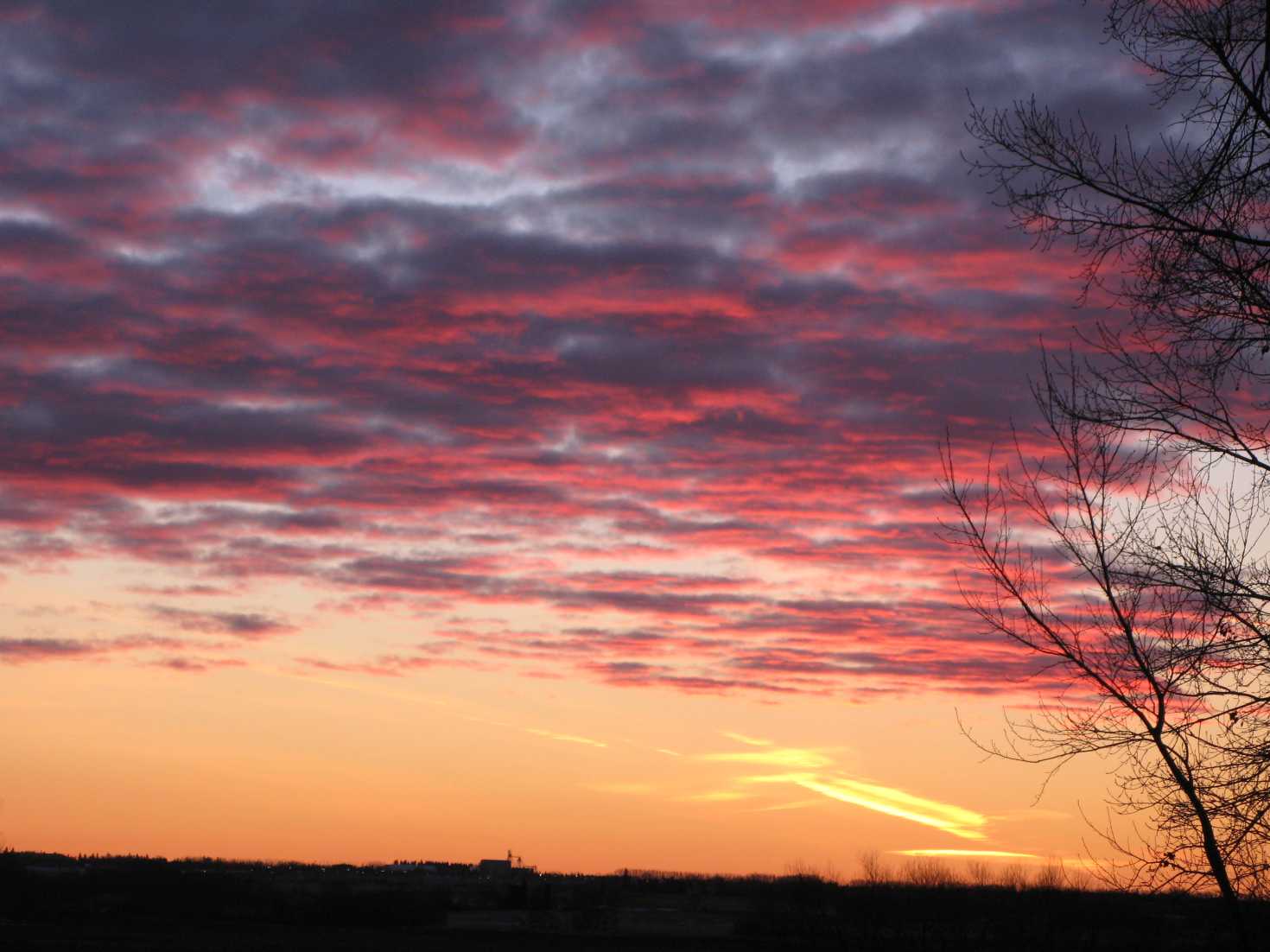
Or planning trips to somewhere warm and sunny. Like Hawaii.

The Agony and Ecstasy
Am I the only writer who finds whatever part of the process I am currently working on is the WORST part? Though I admit there is a certain excitement about starting a story, a delightful sense of urgency about getting in on paper once I start to write and then a thrill of completion when I reach the end. (I always feel a little bit like Meg Ryan in her famous scene in When Harry Met Sally–I’m ready to cheer, I’m full of release thought no one can see the cause. LOL.) But there’s also times in each stage when, as my critique partner says, I bleed from the ears. The agony of writing.
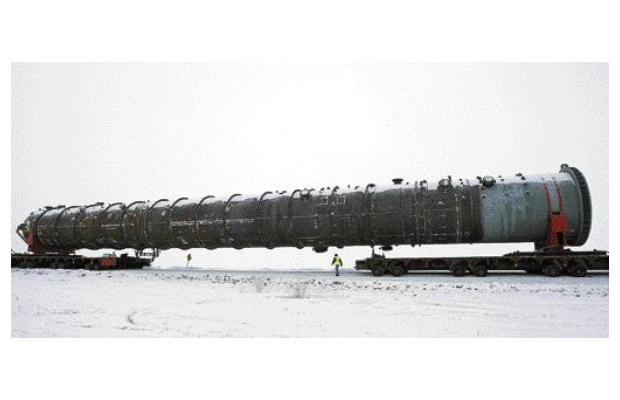
Sometimes the task feels like this project. (A giant pressure vessel weighing 384 tonnes leaves Saskatoon, where it was manufactored, bound for the oilsands in Fort McMurray. Escorted by police, the convoy is travelling about 35 kilmeteres per hour. Photography by : Greg Pender, Saskatoon Starphoenix, Canwest News Service, The Edmonton Journal.) Can you see the man in the picture? Click on the picture to enlarge it.
This week I read an article from www.writersdigest.com called 10 Disciplines of a Fiction Writer by James Scott Bell. He suggests a number of things (10 to be exact) that make the writing less of a struggle. His suggestion of Super Tuesday really resounded with me. He says, “I have designated each Tuesday to be exclusively a writing day. I have other duties during the week, but I work it out so I can leave Tuesday completely free. I don’t schedule appointments or anything else on that day. My goal here is to blow through my usual quota of words. Sometimes I see just how far I can go. The result is often that wonderful feeling you get when you’ve been in “flow.” Time speeds up. You have done a great day’s worth of work.”
I love the concept of giving myself one day when nothing but my writing matters. The bills can wait. The errands in town can be done the next day. So I gave myself a Super Thursday this week. And it went well. I did about 7500 words. That’s almost three times what I can hope to do on a regular day. It felt so good. That’s the ecstasy of writing
Now I have to play catch up on other stuff–housework, bills, etc.
60TH BIRTHDAY CELEBRATION
No not mine. It’s Harlequin’s 6oth anniversary. 
It began in 1949 in Winnipeg, Manitoba. (Yeah Canada). The first book was The Mantee by US author, Nancy Bruff, and sold for 50c.
Here’s a sample of a 1949 cover. All I can say is we’ve come a long way.

Harlequin is the world’s largest publisher and has sold 8 billion books since 1949. They have a base of about 1200 authors and are published in 107 countries and 29 languages. They sell 130 million books each year–that’s over four books every second.
They produce 120 titles monthly. One in every six mass-market papersbacks sold in North America is a Harlequin or Silhouette novel. (Information supplied by a calendar put out by H/S for its authors to celebrate this anniversary)
They offer everyone a gift–free downloads of 16 books. Go help yourself at this address:
http://www.harlequincelebrates.com/index.php# (You might have to copy and paste it into your address bar.
Happy Anniversary, Harlequin.
DID I GET IT?
The workshop in Vancouver was great. I learned lots. In fact, I learned so much I can’t begin to sort it out. I’m waiting for it to sift through my consciousness and meld with the other things I know. (If only it was that simple). I truly have a better understanding of story but I have to learn where to use the information in my own writing.
The trip was every bit as fantastic as the workshop. We had great weather, a great flight and a good time, Our hotel room had one wall of floor to ceiling, wall to wall windows.
 The city was almost spring like– a welcome change from the long winter weather we’ve endured.
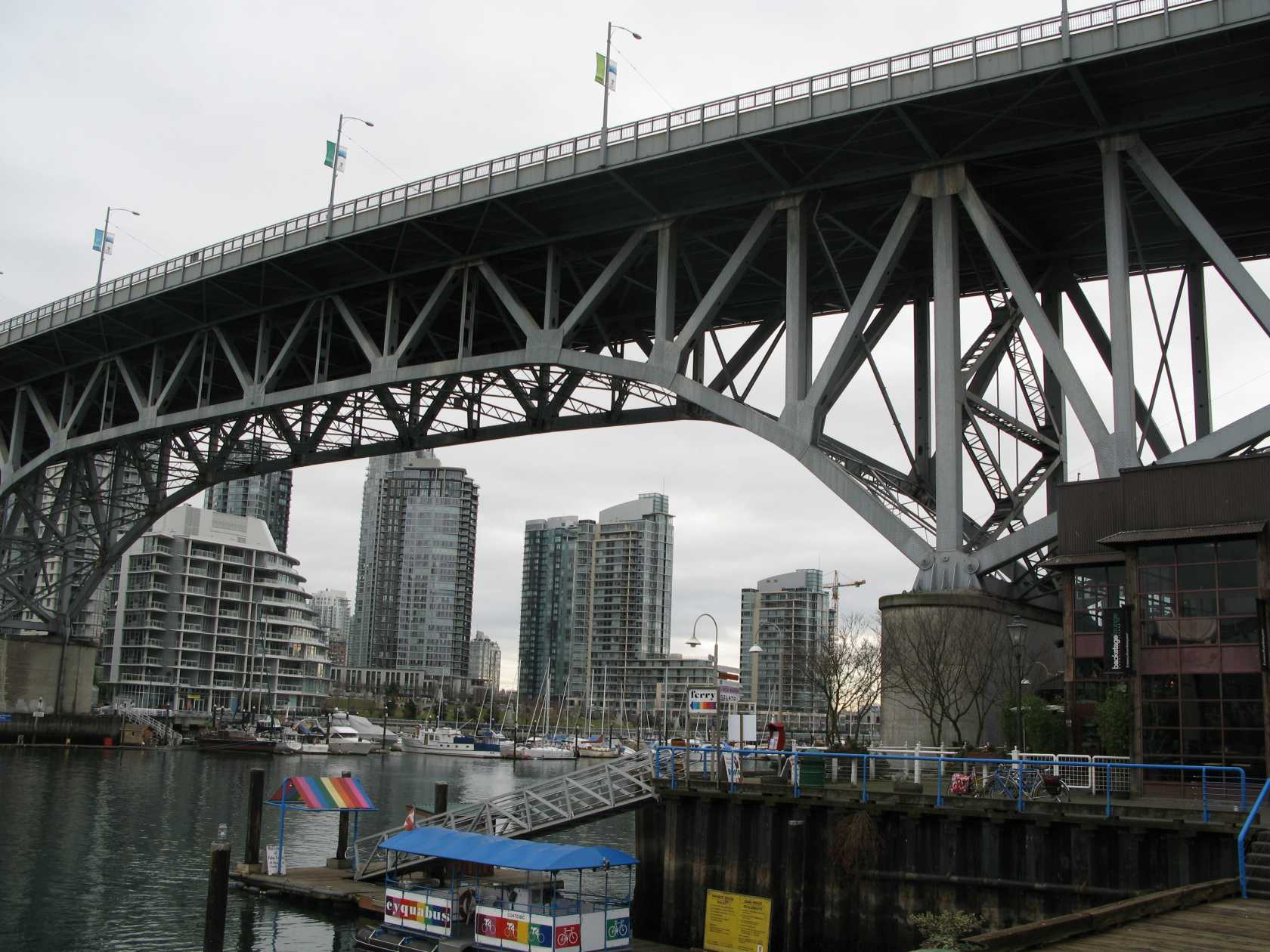
We took the river taxi to Granville Island and enjoyed a few peaceful hours Friday afternoon before the hectic Saturday and Sunday schedule.

It was altogether a very nice break–both relaxing and educational. It’s hard to believe it was more than a week ago.
WHAT AN OPPORTUNITY.
After Christmas I did a blog about gifts on Writers at Play. You can check it out on the link below.
http://www.writersatplay.com/wordpress/?p=817
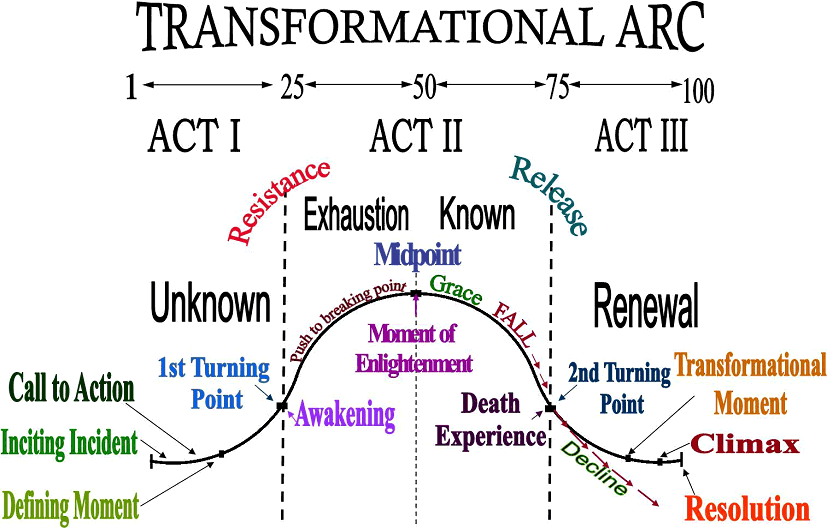
One of the gifts I mentioned was the joy of a book I have fallen in love with this year, Inside Story, the power of the transformational arc, by Dara Marks. (http://www.daramarks.com)
Well, another lovely gift has fallen into my lap. My CP heard that Dara Marks is going to be giving a workshop in Vancouver this weekend (Jan. 31-Feb.1). It was all very last minute—one week to make the arrangements. But we both wanted to hear this woman who had written such a great writing book. The price of the workshop was reasonable. We got special discounted prices to fly to Vancouver. Even the hotel rooms were at a great conference rate. So we are off to Vancouver Jan. 30 and anticipating a great workshop.
Here is the transformational arc as taught by Dara Marks.